
low iron tempered glass
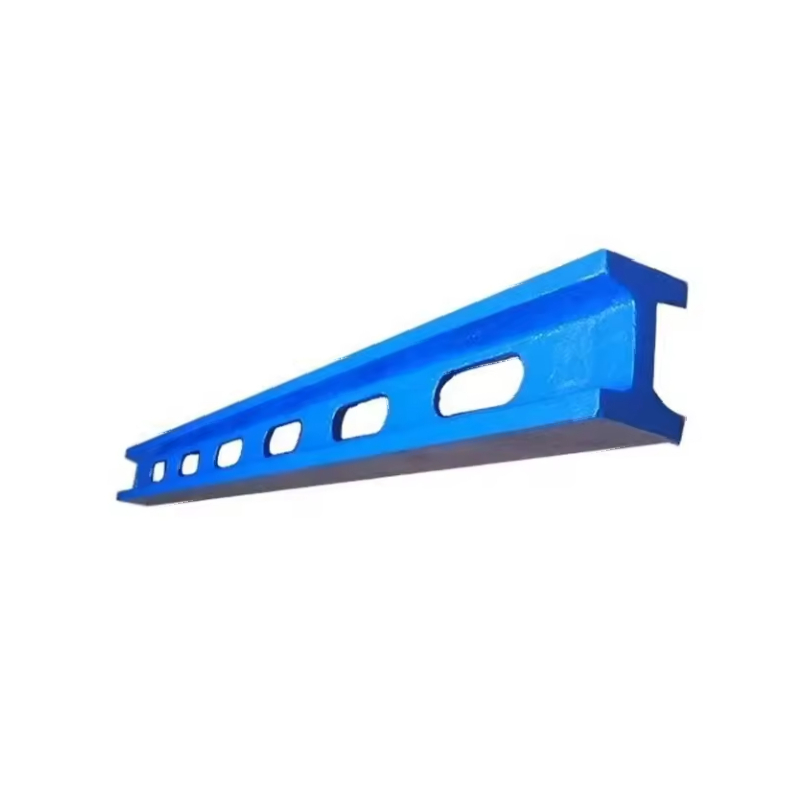
Cast Iron Welding Table An Essential Tool for Sale When it comes to precision welding and fabrication, having the right tools can make all the difference. One such indispensable piece of equipment is a cast iron welding table, currently available for sale. This robust and durable workbench is designed to provide stability, accuracy, and reliability in even the most demanding welding projects. Cast iron, known for its strength and resistance to deformation, is the ideal material for a welding table. The inherent properties of cast iron ensure that the table remains steadfast under heavy loads, providing a stable platform for your welding operations. The tables on sale are engineered with a fine-grained structure that minimizes the risk of distortion, making them perfect for welding tasks requiring high precision. The welding tables for sale boast a range of features designed to enhance efficiency and convenience. They often come equipped with a grid system of pre-drilled holes, allowing for quick and easy attachment of clamps, jigs, or fixtures. This modular design enables adaptability to various welding scenarios, saving time and effort in setup and repositioning. Moreover, the hard-wearing surface of a cast iron welding table can withstand the intense heat generated during welding processes. Its non-magnetic nature further adds to its usability, particularly when working with metals that are sensitive to magnetic fields Its non-magnetic nature further adds to its usability, particularly when working with metals that are sensitive to magnetic fields Its non-magnetic nature further adds to its usability, particularly when working with metals that are sensitive to magnetic fields Its non-magnetic nature further adds to its usability, particularly when working with metals that are sensitive to magnetic fields cast iron welding table for sale . The tables are usually treated with a protective coating to prevent rust and maintain their longevity. These welding tables are not just for professionals; they are equally beneficial for DIY enthusiasts and hobbyists who value a solid, reliable workspace. Their versatility allows them to be used for a multitude of tasks beyond welding, such as metal cutting, grinding, and assembly jobs. When purchasing a cast iron welding table, it's crucial to consider factors like size, weight capacity, and additional accessories. The tables on sale cater to different needs, from compact models suitable for small workshops to larger ones designed for industrial applications. It's also worth checking the warranty and customer support offered by the seller. In conclusion, investing in a high-quality cast iron welding table is a smart choice for anyone serious about their welding work. The ones currently available for sale offer a perfect blend of strength, functionality, and adaptability, promising to elevate your welding experience to new heights. Don't miss this opportunity to upgrade your workshop with a tool that will stand the test of time and countless welding projects.
about
low iron tempered glass
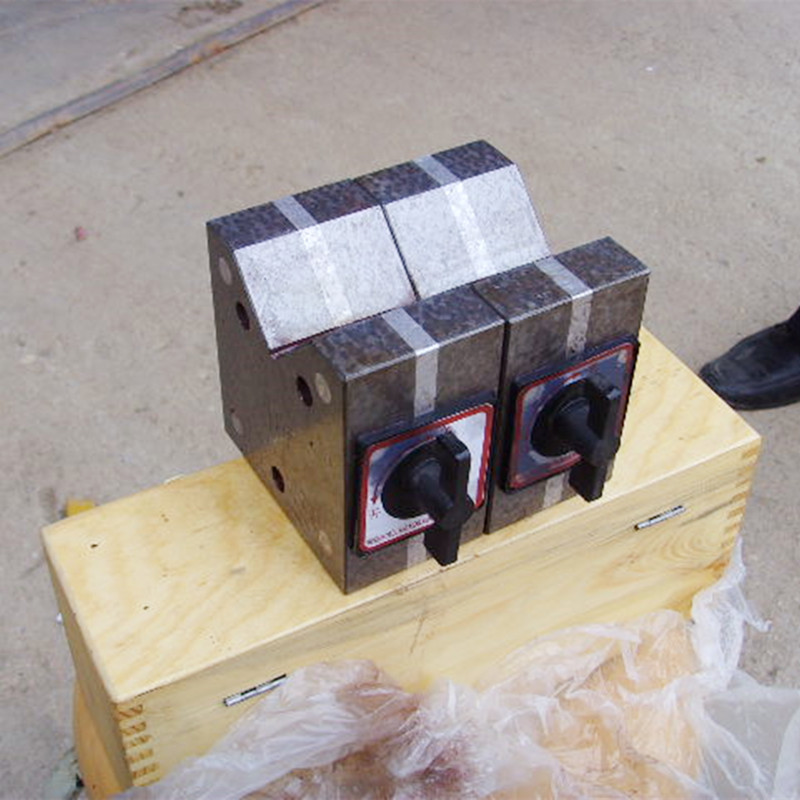
Making V Blocks A Guide to Precision Tooling When it comes to precision machining and fabrication, ensuring that workpieces are securely held and accurately aligned is paramount. One of the essential tools that can significantly enhance the accuracy of machining setups is the V block. These simple yet effective tools are designed to provide a stable and secure base for cylindrical and rectangular objects, making them indispensable in many workshops. In this article, we will explore the process of making V blocks and the critical considerations for achieving optimal precision. What is a V Block? A V block is a special clamping tool characterized by its V-shaped groove. This unique design allows it to hold cylindrical parts vertically, ensuring they are perfectly aligned for machining, grinding, or inspection. V blocks are often used in conjunction with milling machines, lathes, and surface grinders, making them versatile tools in metalworking and woodworking industries. Materials Required To create a V block, you will need the following materials and tools 1. Material High-grade steel or cast iron is preferred for durability and stability. Alternatively, aluminum can be used for lighter prototype applications. 2. Machining Tools A milling machine, lathe, drill press, and grinding machine are essential for precision shaping and finishing. 3. Measuring Instruments Calipers, micrometers, and gauges are necessary for ensuring accurate dimensions. 4. Cutting Tools End mills, saw blades, and grinding wheels are needed for shaping the V block. Step-by-Step Process 1. Planning the Design The first step in making a V block is designing it according to your specific requirements. Determine the dimensions based on the size of the workpieces you intend to use it with. Common sizes for V blocks are 2” x 4” x 6”, but custom sizes may be necessary depending on the application. 2. Cutting the Material making v blocks Using the appropriate saw, cut the raw material to roughly the desired dimensions. Ensure that you leave some excess material for precision machining later. A bandsaw or a chop saw works well for this initial cut. 3. Machining the Block Next, using a milling machine, start shaping the base block. Mill each face to ensure that they are flat and at right angles to each other. Pay special attention to maintaining squareness, as any deviation can lead to inaccuracies during use. 4. Creating the V Groove Once the block is shaped, it’s time to create the V groove. Set up the milling machine with an end mill cutter that matches the desired width of the V. The groove typically has a 45-degree angle, making it an ideal fit for standard cylindrical workpieces. Ensure the mill is properly aligned to achieve a symmetrical groove. 5. Finishing Touches After machining the V groove, inspect it for any burrs or sharp edges. Use a deburring tool or a hand file to smooth out the edges, which will help prevent damage to the workpieces being clamped. Additionally, a grinding machine can be employed to provide a precise finish and enhance the overall surface quality. 6. Calibration and Testing Before the V block can be put to use in actual machining operations, it’s crucial to calibrate and test it. Use measuring instruments to check the dimensions precisely. Ensure that the V groove is accurately cut to the correct angle and width. Testing it on a sample workpiece will confirm that it holds securely without any slippage. Conclusion Making V blocks is a straightforward process that yields significant benefits in precision machining applications. With the right materials, tools, and techniques, hobbyists and professionals alike can produce their own V blocks to suit specific project needs. By investing time in the planning and execution phases, operators can ensure that their V blocks contribute to higher accuracy, improved efficiency, and ultimately, better quality work in their machining endeavors. Whether in a home garage or a commercial workshop, mastering the art of making V blocks is a valuable skill for anyone involved in precision tooling.
-

High quality industrial productsagement

High quality industrial products
View Details -

Meet the diverse needs of customers

Meet the diverse needs of customers
View Details -

Strict quality control

Strict quality control
View Details -

Top raw materials

Top raw materials
View Details -

Trusted supplier

Trusted supplier
View Details
Our application


news and information
Versatile Welding Workbench for Efficient Metal Fabrication and Assembly Tasks
The Essential Guide to Welding Tables Your Ultimate Workbench Companion When it comes to metal fabri
Y Type Water Strainer for Efficient Filtration and Flow Control Solutions
Understanding Y-Type Water Strainers Functionality and Applications Water strainers are essential co

y Siebdampfabscheider
Der Y-Strainer ist ein wichtiges Bauteil in der industriellen Prozessindustrie, insbesondere in Damp
 English